
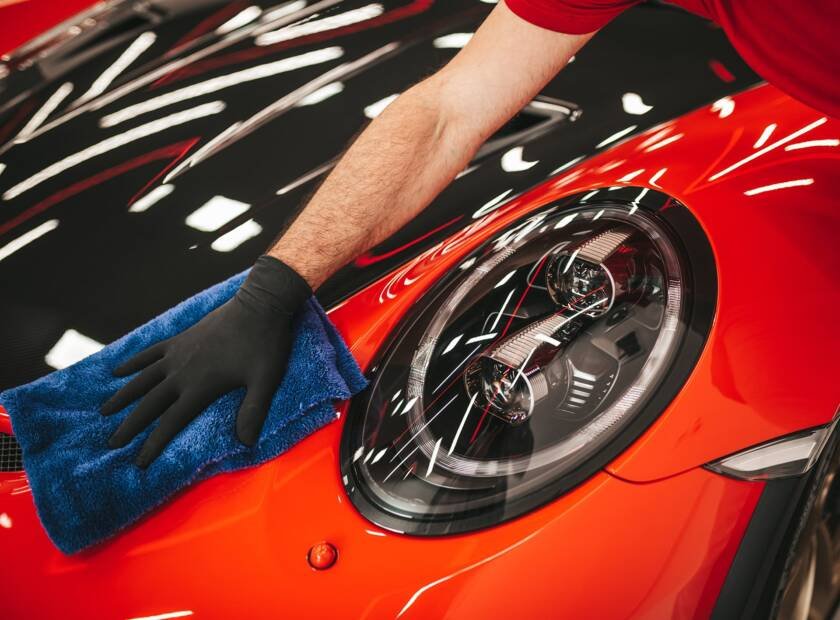
In the ever-evolving world of vehicle maintenance and protection, one term has been buzzing more loudly than others: Ceramic Coating. But what exactly is it, and why has it captured the attention of both car enthusiasts and the general public alike? Let’s dive into the nitty-gritty of ceramic coatings, peel back the layers (pun intended), and reveal why it might just be the superhero your vehicle has been waiting for.
Introduction to Ceramic Coating
Imagine if you could wrap your vehicle in a shield so powerful that dirt, water, and sunlight would simply bounce off it, leaving it gleaming and unharmed. That’s the promise of ceramic coating in a nutshell. But it’s not magic—it’s science.
The Science Behind Ceramic Coating
At its core, ceramic coating is a liquid polymer made from ceramic nanoparticles. When applied to a vehicle’s surface, it creates a chemical bond with the factory paint, forming a durable, protective layer. Think of it as a second skin, but one that’s much harder and more resistant to the elements than the original.
Key Benefits of Ceramic Coating
Ceramic coating offers a plethora of benefits, from its exceptional protection against UV rays, which can fade and oxidize paint, to its hydrophobic properties that make water bead up and slide off, taking dirt and grime with it.
Application Process of Ceramic Coating
Applying a ceramic coating is both an art and a science. It requires meticulous preparation, including a thorough wash, decontamination, and sometimes paint correction. The coating itself must be applied evenly and carefully cured, often requiring professional equipment and expertise.
Ceramic Coating vs. Traditional Wax
While traditional wax can provide a temporary shine and protective layer, it wears off much faster than ceramic coating and doesn’t offer the same level of protection against chemical stains, scratches, or UV damage.
How to Maintain a Ceramic Coated Vehicle
Maintenance becomes a breeze with ceramic coating. Regular washing is still necessary, but you can say goodbye to frequent waxing. Plus, the coating makes cleaning off dirt and grime much easier.
Longevity and Durability
One of the most compelling reasons to opt for ceramic coating is its longevity. A well-applied coating can last years, not weeks or months like traditional wax, providing enduring protection and shine.
The Cost Factor
While ceramic coating represents a significant upfront investment, its long-term benefits can outweigh the initial cost, saving you time and money on maintenance and paint repair down the line.
Common Myths Debunked
Many myths surround ceramic coatings, from overblown claims of invincibility to misunderstandings about maintenance. It’s important to separate fact from fiction to understand what ceramic coating can and cannot do.
When is Ceramic Coating Not Advised?
Ceramic coating isn’t a cure-all. On cars with significantly damaged paint, for example, a coating might not be advisable without extensive paint correction.
Finding the Right Professional for the Job
Not all ceramic coatings are created equal, nor are all applicators. Finding a reputable professional with experience and positive reviews is crucial for ensuring the best results.
DIY Ceramic Coating: Is it Worth it?
While DIY kits are available, the risk of improper application can lead to less than satisfactory results. Professional application is generally recommended.
The Environmental Impact of Ceramic Coating
Ceramic coatings can have a positive environmental impact by reducing the need for frequent washes and harsh cleaning chemicals, contributing to water conservation and reduced chemical runoff.
The Future of Ceramic Coating
As technology advances, so too does the potential of ceramic coatings, with new formulations offering even greater protection, durability, and eco-friendliness.
FAQs on Ceramic Coating
What makes ceramic coating different from wax?
Ceramic coating provides a much longer-lasting, more durable protective layer than wax, offering enhanced protection against a wide range of elements.
Can ceramic coating be applied to any vehicle?
Yes, but the vehicle’s surface needs to be properly prepared, which might include paint correction for optimal results.
How long does ceramic coating last?
With proper maintenance, a high-quality ceramic coating can last several years.
Is ceramic coating worth the cost?
Considering the long-term protection and reduced maintenance needs, many find ceramic coating to be a worthwhile investment.
Can I apply a ceramic coating myself?
While DIY kits exist, professional application ensures the best durability and finish, minimizing the risk of application errors.
By exploring the ins and outs of ceramic coating, this article aims to demystify the process and highlight its benefits, providing a comprehensive guide for anyone considering this protective measure for their vehicle.
Conclusion
Ceramic coating stands out as a revolutionary way to protect your vehicle, ensuring it remains pristine and vibrant for years to come. Whether you’re a car enthusiast looking to preserve your pride and joy or simply someone seeking to maintain your vehicle’s appearance and value, ceramic coating offers a compelling solution.